
The short answer
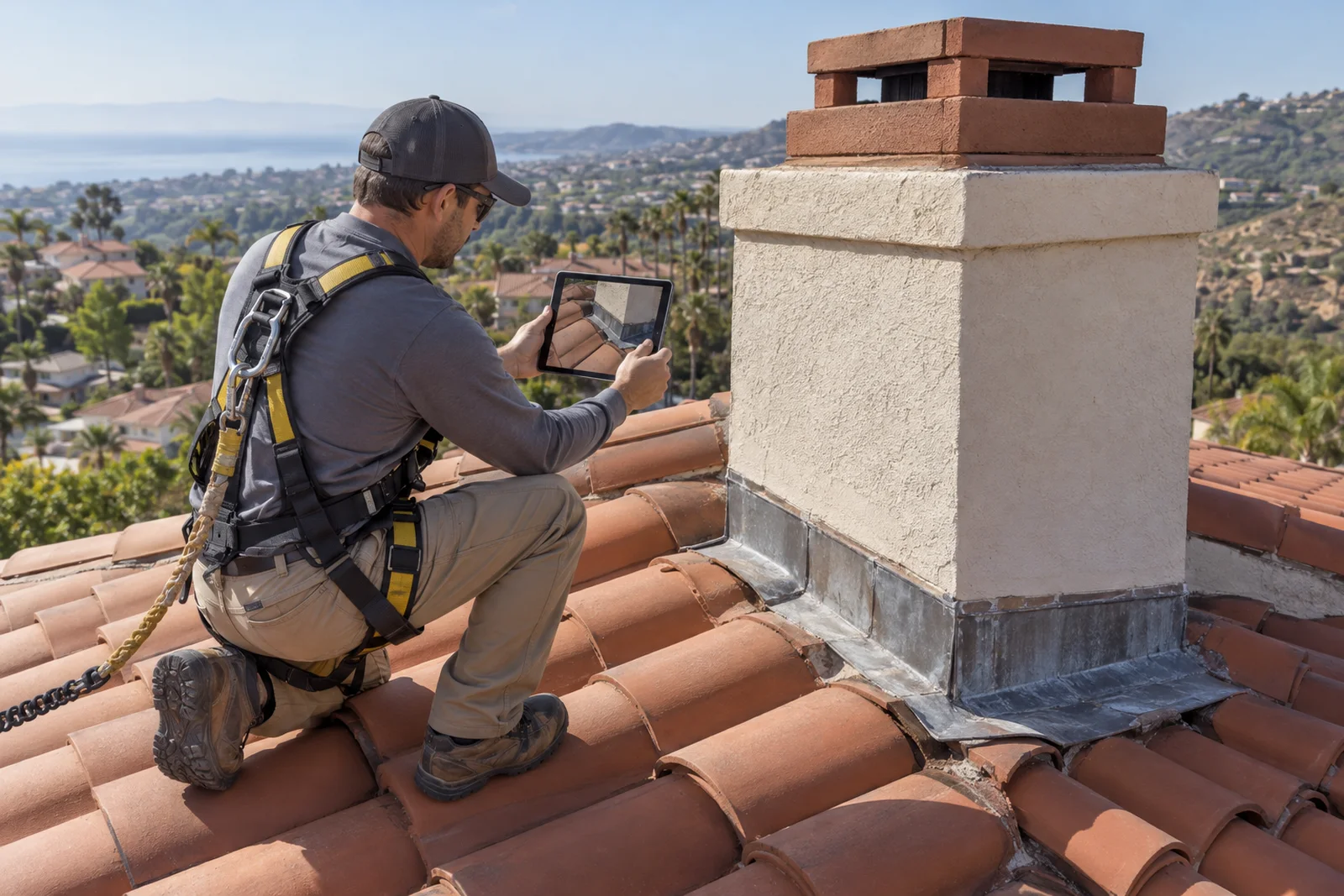
A roof inspection tells you what condition your roof is in before a small problem turns into a leak. We check the tiles or shingles, the flashing, valleys, vents, gutters and roof edges, and the attic where we can get in. You get photos and a written summary in plain English: what's fine, what needs attention now, and what can wait.
When should you get a roof inspection?
Most roofs only get looked at once they leak. By then, water may have been getting in for a while. These are the times an inspection pays off most:
- Buying or selling a home. Know what you're buying, or fix small issues before they turn up in the buyer's report.
- After a storm or high winds. Wind lifts and slips tiles, tears shingle edges and loosens flashing, often where you can't see it from the ground.
- Before the rainy season. Fall is the time to find cracked tiles, clogged valleys and gaps in flashing, while the roof is dry and easy to work on.
- An aging roof. If you don't know how old your roof is, or it's been a long time since anyone checked, an inspection tells you whether to repair, plan ahead or replace.
- A stain or drip inside. A ceiling stain means water is getting in somewhere. We trace it back to the roof and tell you where.
- Before other work on the roof. If anything is about to be mounted on or run through your roof, it's worth knowing its condition first.
What we check on your roof
- Tiles or shingles, ridge and valleys. Cracked, slipped, broken or missing tiles, worn or lifted shingles, and debris packed into valleys.
- Underlayment, where it's visible. The water barrier under the tiles or shingles, checked at edges, gaps and any broken pieces.
- Flashing. The metal at chimneys, walls, skylights and roof-to-wall joints, where many leaks start.
- Vents and pipes. The boots and flashing around every vent and pipe that passes through the roof.
- Gutters, drip edge and roof edges. Clogs, loose gutters and edges where water can get behind the fascia.
- The attic. Where we can get in: stains, damp or dark decking, daylight showing through and other signs of leaks.
We look at the whole roof, not only the spot you're worried about. A drip over the kitchen can start at flashing several feet uphill, so we follow the water path back to where it gets in.
What you get after the inspection
An inspection is only useful if you understand the results. Here's what we hand you:
- Photos. Clear pictures of what we found, so you can see the parts of your roof you can't easily get to.
- A written summary in plain English. What's in good shape, what needs attention now, and what can wait, without jargon.
- Repair recommendations. What we'd fix and why, in order of what matters most.
- A straight answer on repair or replacement. Many roofs need a repair, not a new roof. If replacement is the better call, we'll tell you why.
- A written scope, if you want us to do the work. The scope and estimate are written before anything starts, so there are no surprise costs.
How long does a roof inspection take?
It depends on the size and pitch of the roof, the roof type and whether there's attic access. For most homes it's a single visit. We'll give you an arrival window when we schedule and tell you when to expect the written summary.
If you'd like us to look in the attic, someone needs to be home to let us in. We'll talk through access when you book.
Inspecting a tile roof
Clay and concrete tile roofs are everywhere in Orange County, and they need a careful inspection. The tiles themselves often outlast the underlayment beneath them, so a tile roof can look fine from the street while the layer that actually keeps water out has worn through.
We walk tile roofs carefully, because a wrong step cracks tiles. We check the underlayment where it can be seen, at the edges, around penetrations and under broken or slipped tiles, and we look in the attic for signs that water is getting past it. If the signs point to worn underlayment, we'll explain the lift-and-relay option: the tiles come up, new underlayment goes down, and the good tiles go back on. Read more about tile roofs and underlayment.
Buying or selling a home
A general home inspector covers the whole house, and the roof gets a share of that time. A roofer's inspection goes deeper on the roof alone. Buyers get a clearer idea of what they're taking on. Sellers can find and fix small problems before they show up in the buyer's report, or price them in with real photos and a written summary to back it up.
After a storm or high winds
Strong winds, including Santa Ana winds, can lift and slip tiles, tear shingle edges and loosen flashing. Branches and debris clog valleys and gutters, which pushes water where it shouldn't go. After a storm, an inspection tells you whether anything moved before the next rain finds it. The photos are also a useful record if you decide to talk to your insurance company.
Already leaking? Call us. We can tarp the damaged area to keep water out, then plan the repair. See roof repair.
Roof inspections across Orange County
We inspect roofs on homes and small commercial buildings throughout Orange County, from Irvine, Tustin and Orange to Mission Viejo, Laguna Niguel, Dana Point and San Clemente. See areas we serve.
Roof inspection questions
Will you tell me I need a new roof?
Only if that's what we find. Many roofs need a repair, not a replacement, and the written summary says which, and why. If a roof is near the end of its life, we'll explain what we saw so you can plan. See roof replacement.
Do you inspect flat and low-slope roofs?
Yes. On flat and low-slope roofs we look at the membrane or coating, seams, ponding water, and the drains and scuppers that carry water off. See flat & low-slope roofs.
How often should my roof be inspected?
A good habit is a check before the rainy season and after any big storm, plus any time you see a stain on a ceiling or wall. Older roofs are worth watching more closely.
Can I use the summary to get other bids?
Yes. The photos and summary are yours. Use them however helps you decide.
Do you inspect small commercial buildings?
Yes. We work on homes and small commercial buildings, and we're glad to help property managers keep track of roof condition. More answers on our FAQ page.